



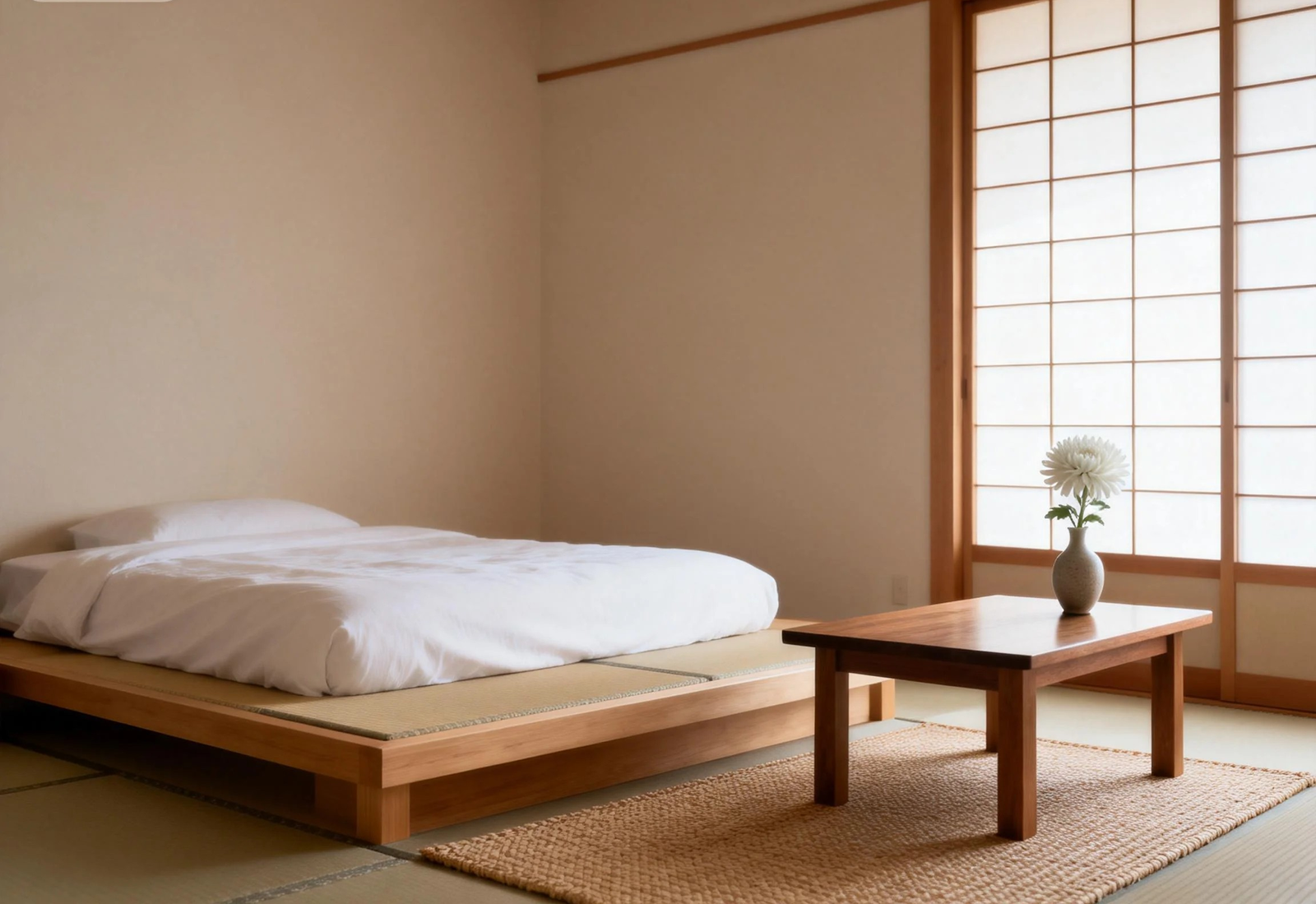
Japanese minimalism is not just a design style; it’s a way of life that emphasizes simplicity, functionality, and a deep connection with nature. This aesthetic has gained popularity around the globe, appealing to those seeking tranquility in their living spaces.
By integrating Japanese minimalism into your home decor, you can create a serene environment that resonates with peace and mindfulness. Here’s how to successfully incorporate this beautiful philosophy into your living space
Table of Contents
Emphasize Functionality
At the heart of Japanese minimalism is the idea that every item should have a purpose. To achieve this in your home, start by assessing your belongings. Clear out items that do not serve a functional purpose or bring you joy. Each piece you choose to keep should fulfill a need, whether it’s practicality or emotional significance.
This might mean selecting furniture that is not only aesthetically pleasing but also functional. For example, opt for a low-profile, multipurpose coffee table that can serve as storage. The goal is to create a space that feels open and uncluttered, allowing for ease of movement and a sense of calm.
Choose Natural Materials
Japanese design often leans heavily on natural materials like wood, bamboo, stone, and cotton. These materials not only bring the outdoors in but also promote a sense of warmth and comfort. For instance, wooden furniture—especially when crafted from light-colored woods such as pine or birch—can enhance your space’s airiness.
Fabrics also play a crucial role in achieving a minimalist aesthetic. Choose natural textiles for your curtains, cushions, and throws to create a tactile experience. Soft cottons and linens can add a cozy yet streamlined feel to your space. Avoid synthetic materials, as they can disrupt the organic quality that minimalism seeks to achieve.
Prioritize Neutral Colors
Color selection is a vital aspect of Japanese minimalism. Favor a neutral palette dominated by whites, grays, and beiges complemented by muted earth tones. These colors help cultivate a sense of calm and tranquility in your home.
When defining your color scheme, consider using a monochromatic approach. A combination of different shades of the same color can add depth without overwhelming your space. If you want to add a pop of color, consider using plants or a single piece of art as a focal point, adhering to the principle of less is more.
Focus on Minimalist Furniture
Incorporating Japanese minimalism often means embracing sleek and simple furniture. Look for pieces that have clean lines and avoid excessive ornamentation. Furniture should feel light and unobtrusive, fitting seamlessly into the surrounding environment.
Low furniture is a quintessential element of Japanese design. Consider investing in low seating such as tatami mats, floor cushions, or low-profile couches. These pieces not only help create an open atmosphere but also encourage a more grounded mindset.
Create a Connection with Nature
The Japanese regard nature as an essential component of life, and this belief is reflected in their interior design. Bring nature into your home to foster a deeper sense of serenity and balance. Simple and effective ways to do this include integrating indoor plants, which not only enhance air quality but also add a refreshing touch to your decor.
Consider using bonsai trees or small indoor plants like succulents or ferns, which require minimal maintenance. Additionally, use natural light to your advantage. Arrange furniture to maximize sunlight, and choose sheer curtains to allow gentle light to filter through.
Declutter and Simplify
Decluttering your space is vital to embracing Japanese minimalism. Without unnecessary items, your home can evoke a sense of peace. Start by eliminating items that do not add value to your life or home. Ask yourself if each item serves a purpose or holds sentimental value.
Once you’ve decluttered, aim to keep surfaces clear. This can involve straightforward practices like using storage baskets to conceal smaller items and maintaining a tidy environment. The essential idea is to create spaces that invite tranquility and reduce visual distractions.
Use Art with Intention
While minimalism encourages simplicity, art can still play a vital role in your decor. However, it’s essential to choose art thoughtfully. Instead of overcrowding your walls with multiple pieces, select a few carefully curated artworks that resonate with you personally.
Consider traditional Japanese art styles, such as ink wash paintings or serene landscapes, to enhance the minimalist aesthetic. When hung in strategic locations, art can become a focal point that adds depth without overwhelming the senses.
Conclusion
Incorporating Japanese minimalism into your home decor can transform your living space into a refreshing sanctuary of tranquility and purpose. By emphasizing functionality, choosing natural materials, focusing on neutral colors, and embracing simple furniture, you can create an environment that calms the mind and soul.
If you’re looking to enhance your ambiance even further, consider exploring decor options from Muyi Display, a decorative design company specializing in large-scale festive and artistic installations. With offerings that include premium Christmas trees, oversized floral arrangements, and unique decorative lighting, Muyi Display can elevate your home with creative visual solutions that resonate with the minimalist ethos. Embrace the serenity of Japanese minimalism and transform your space today!